



























The Gucci GG logo, a double-G emblem that has become one of the most recognizable symbols in the world of luxury fashion, stands as a testament to the brand’s enduring commitment to elegance, craftsmanship, and high style. What began as a simple monogram of the initials of the brand’s founder, Guccio Gucci, has grown into a global icon, synonymous with luxury, sophistication, and exclusivity. The GG logo is more than just a symbol; it is the hallmark of Gucci’s identity, representing its deep roots in Italian craftsmanship, its evolution over the decades, and its ability to remain at the forefront of contemporary luxury fashion.
In this article, we will delve into the origins and significance of the GG logo, examining how it came to define the brand and why it continues to hold its place as a cornerstone of Gucci’s design philosophy. We will explore the impact of the GG logo on brand recognition, its appeal to luxury consumers, and how it has been reinterpreted over the years to maintain its relevance in a constantly changing fashion landscape.
The Birth of the GG Logo: From Guccio Gucci’s Initials to Iconic Emblem
The story of the GG logo begins in the 1920s, when Guccio Gucci opened his first leather goods shop in Florence, Italy. Gucci, who had worked in the luxury hospitality industry in London, had a keen understanding of the tastes and preferences of the wealthy elite. His initial offerings of high-quality leather goods, including luggage, accessories, and riding gear, quickly gained attention for their exceptional craftsmanship.
In the 1950s, Gucci’s sons, Aldo, Rodolfo, and Vasco, began expanding the brand’s reach internationally, bringing Gucci’s reputation for quality and design to new markets. It was during this time that the iconic GG logo was introduced. The GG monogram, derived from the initials of the brand’s founder, became the visual embodiment of Gucci’s heritage, signaling the brand’s commitment to craftsmanship and elegance.
At first, the GG logo was used sparingly, often embossed onto leather goods such as bags and belts. The logo’s simple yet bold design quickly gained recognition for its timeless sophistication, and its association with luxury grew as Gucci expanded its global presence. The logo was a natural fit for the brand, as it embodied the understated elegance that Gucci sought to communicate through its products.
The GG Logo as a Symbol of Luxury and Exclusivity
The GG logo’s association with luxury began almost immediately upon its introduction. As Gucci expanded its offerings beyond leather goods to include apparel, footwear, and accessories, the GG logo became the brand’s signature mark. Consumers who purchased Gucci products bearing the GG logo were not just acquiring a high-quality item; they were purchasing a symbol of status, wealth, and exclusivity.
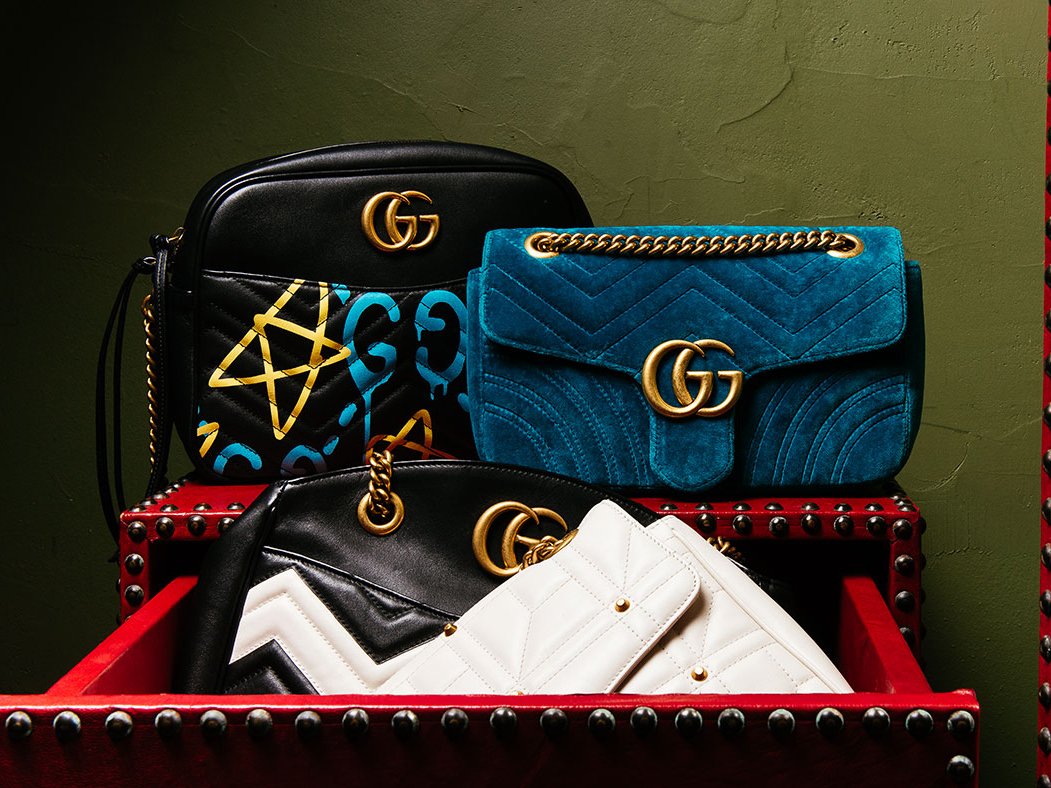
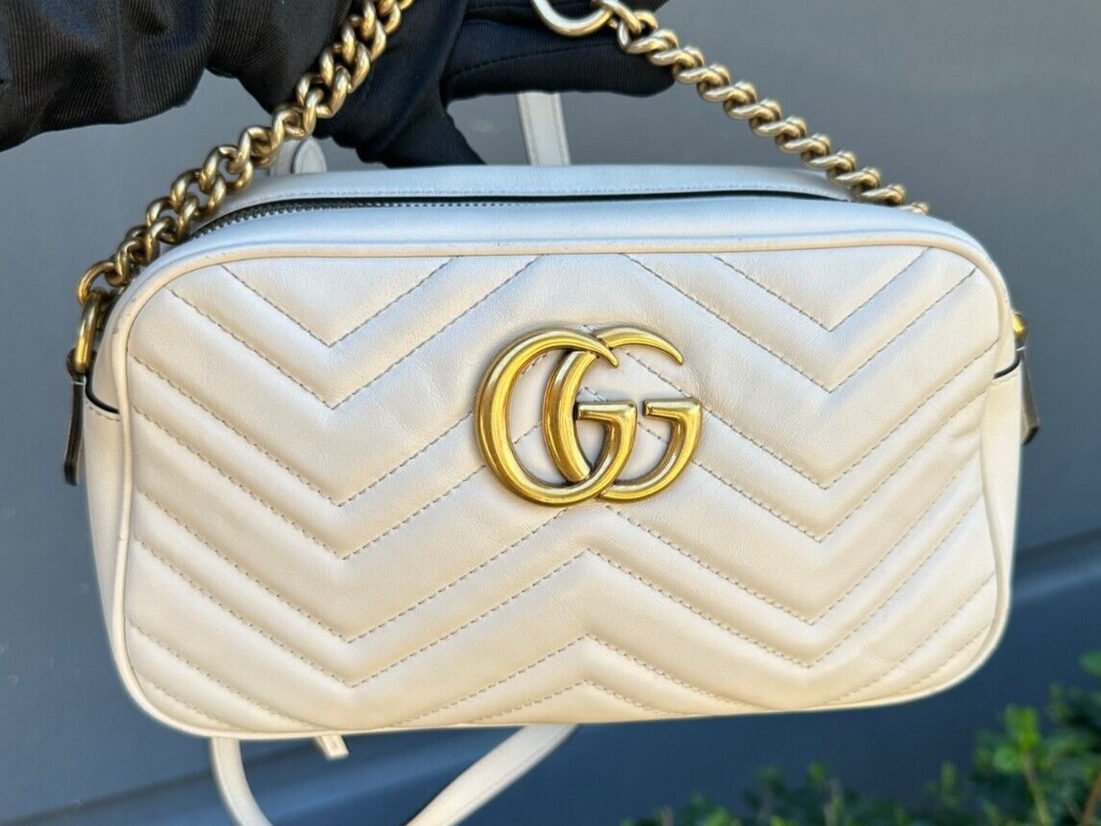
The GG logo’s minimalist design—two interlocking G’s, often in gold or silver—captured the essence of luxury without being overly flashy. Unlike other monogrammed logos that relied on ornate patterns, Gucci’s GG logo remained understated, allowing it to stand out as a symbol of refined taste. This simplicity and elegance have played a significant role in the logo’s continued appeal, allowing it to remain timeless and adaptable to various design trends over the decades.
As Gucci’s reputation grew, so did the demand for products featuring the GG logo. The logo began to appear on a wider range of products, from the brand’s famous handbags and wallets to belts, shoes, and ready-to-wear collections. The logo became instantly recognizable, not only because of its aesthetic appeal but also because of its association with Gucci’s heritage of high-quality craftsmanship and luxury materials.
Gucci’s GG Logo and Its Impact on Brand Recognition
One of the most powerful aspects of the GG logo is its ability to instantly evoke the Gucci brand. In the world of luxury fashion, few logos carry the same weight and recognition as the GG monogram. The logo’s impact on brand recognition has been a key driver of Gucci’s success in the global marketplace.
As Gucci expanded its presence in international markets, the GG logo became synonymous with luxury and sophistication. The logo’s association with Italian craftsmanship and high fashion made it a coveted mark for consumers seeking status symbols. As Gucci products featuring the GG logo became ubiquitous in luxury shopping circles, the logo itself became a shorthand for the brand’s identity.
Gucci’s focus on creating high-quality products that were both functional and fashionable further cemented the GG logo’s position as a symbol of luxury. Whether on handbags, belts, or footwear, the logo was a mark of excellence, a signal that the wearer had invested in a product that was crafted with the utmost attention to detail and superior materials.
The GG Logo’s Evolution: From Classic to Contemporary
While the GG logo has remained an iconic symbol of Gucci’s identity, it has not remained static. Over the years, the logo has been reinterpreted in various ways to keep it relevant to changing fashion trends. From the classic embossed GG monogram to more contemporary interpretations, such as the embossed GG Supreme canvas or the use of colored and textured materials, the GG logo has adapted to the evolving tastes of luxury consumers.
In the 2000s, Gucci’s creative director, Tom Ford, introduced bold new interpretations of the GG logo. Ford’s designs featured oversized GG logos on bags, belts, and shoes, bringing the logo to the forefront of Gucci’s aesthetic. His approach to using the GG logo in conjunction with bold, modern designs helped propel Gucci into the realm of high fashion, making the logo not only a symbol of luxury but also a statement of style.
In more recent years, under the creative direction of Alessandro Michele, the GG logo has undergone yet another transformation. Michele’s eclectic and gender-fluid approach to design has led to new takes on the GG logo, incorporating vibrant colors, intricate patterns, and unexpected materials. Michele’s reinterpretations of the GG logo have helped Gucci stay at the cutting edge of fashion, while still maintaining its connection to the brand’s heritage.
Michele’s use of the GG logo in contemporary designs—often in combination with other graphic elements—has contributed to its ongoing appeal. By blending the old with the new, Gucci has ensured that the GG logo remains relevant in a fast-paced fashion landscape, while retaining its status as a symbol of luxury.
The GG Logo’s Influence on Luxury Fashion and Consumer Appeal
The GG logo has not only influenced Gucci’s own collections but also the broader luxury fashion industry. Many other luxury brands have adopted similar monogrammed logos, seeking to capture the same sense of exclusivity and brand recognition that Gucci has achieved with the GG logo. The GG logo’s impact on the luxury fashion world has been profound, contributing to the rise of monogrammed designs as a hallmark of high-end fashion.
In addition to its impact on the fashion industry, the GG logo has played a significant role in shaping consumer perceptions of luxury. For many, the GG logo is more than just a symbol of high-quality craftsmanship; it is a mark of prestige, a sign that the wearer is part of an exclusive group. As Gucci continues to expand its global reach, the GG logo remains a key driver of its success, with consumers around the world seeking out products adorned with the iconic emblem.
Why the GG Logo Remains a Cornerstone of Gucci’s Identity
The GG logo is more than just a brand mark—it is a cultural symbol that represents the essence of Gucci’s identity. The logo’s timeless design, its connection to the brand’s Italian craftsmanship, and its ability to evolve with the times have ensured its enduring relevance in the world of luxury fashion.
What makes the GG logo so powerful is its versatility. Whether on a classic leather bag, a trendy sneaker, or a high-fashion runway piece, the GG logo remains instantly recognizable and deeply associated with Gucci’s legacy of luxury. Its ongoing appeal is a testament to Gucci’s ability to balance heritage with innovation, blending the best of its past with the ever-changing demands of the modern fashion world.
As Gucci continues to lead the way in luxury fashion, the GG logo will undoubtedly remain a cornerstone of the brand’s identity—a symbol of timeless elegance, impeccable craftsmanship, and an enduring commitment to high style.
Conclusion
The Gucci GG logo is more than just a mark of luxury; it is a symbol of the brand’s legacy, craftsmanship, and timeless appeal. From its origins in the 1950s to its continued presence on modern Gucci designs, the GG logo has evolved into one of the most iconic symbols in luxury fashion. Its influence on brand recognition, consumer appeal, and the broader fashion industry is undeniable, and its ability to adapt to changing trends while retaining its classic charm ensures that it will remain a cornerstone of Gucci’s identity for generations to come.